


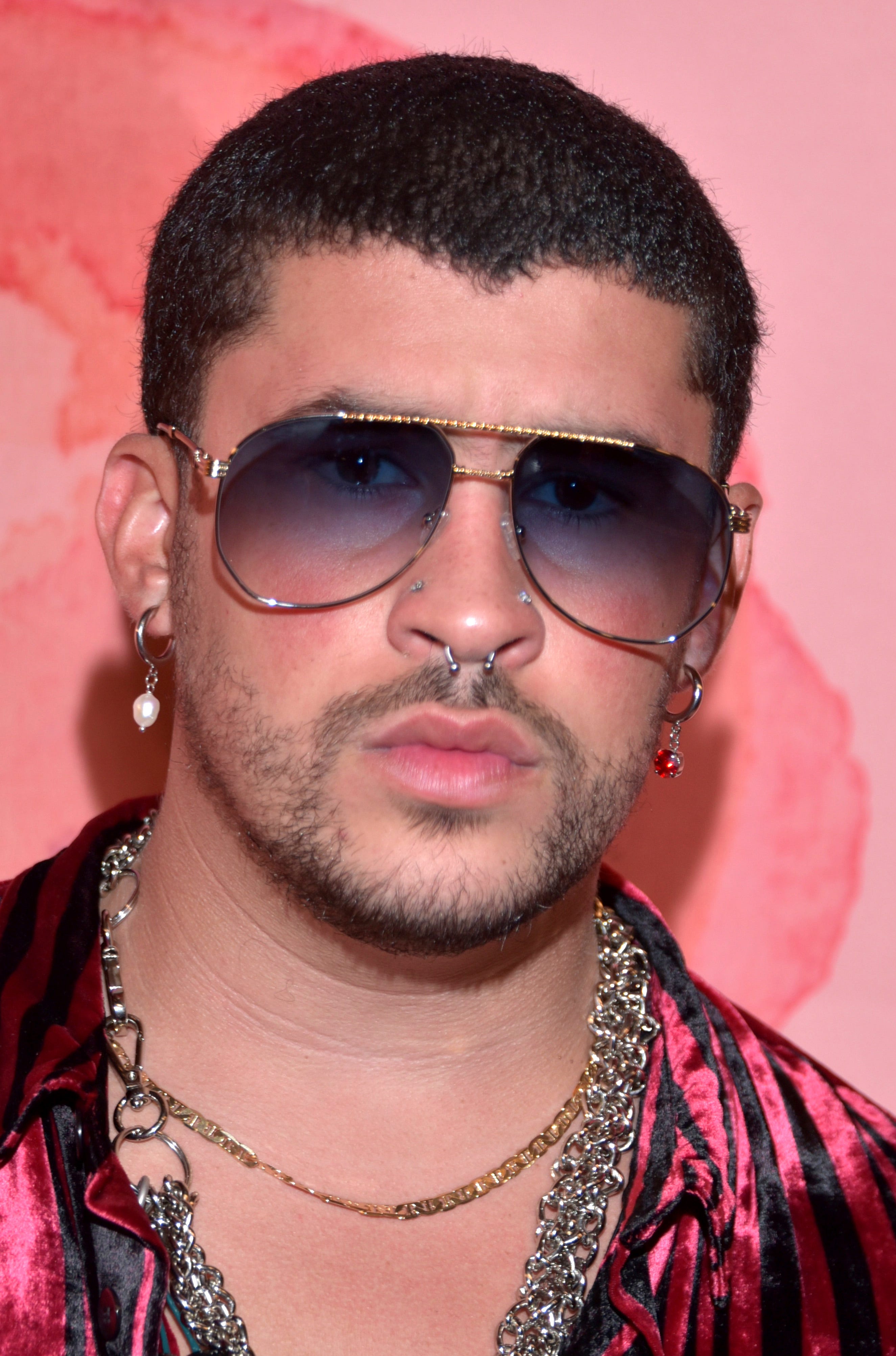
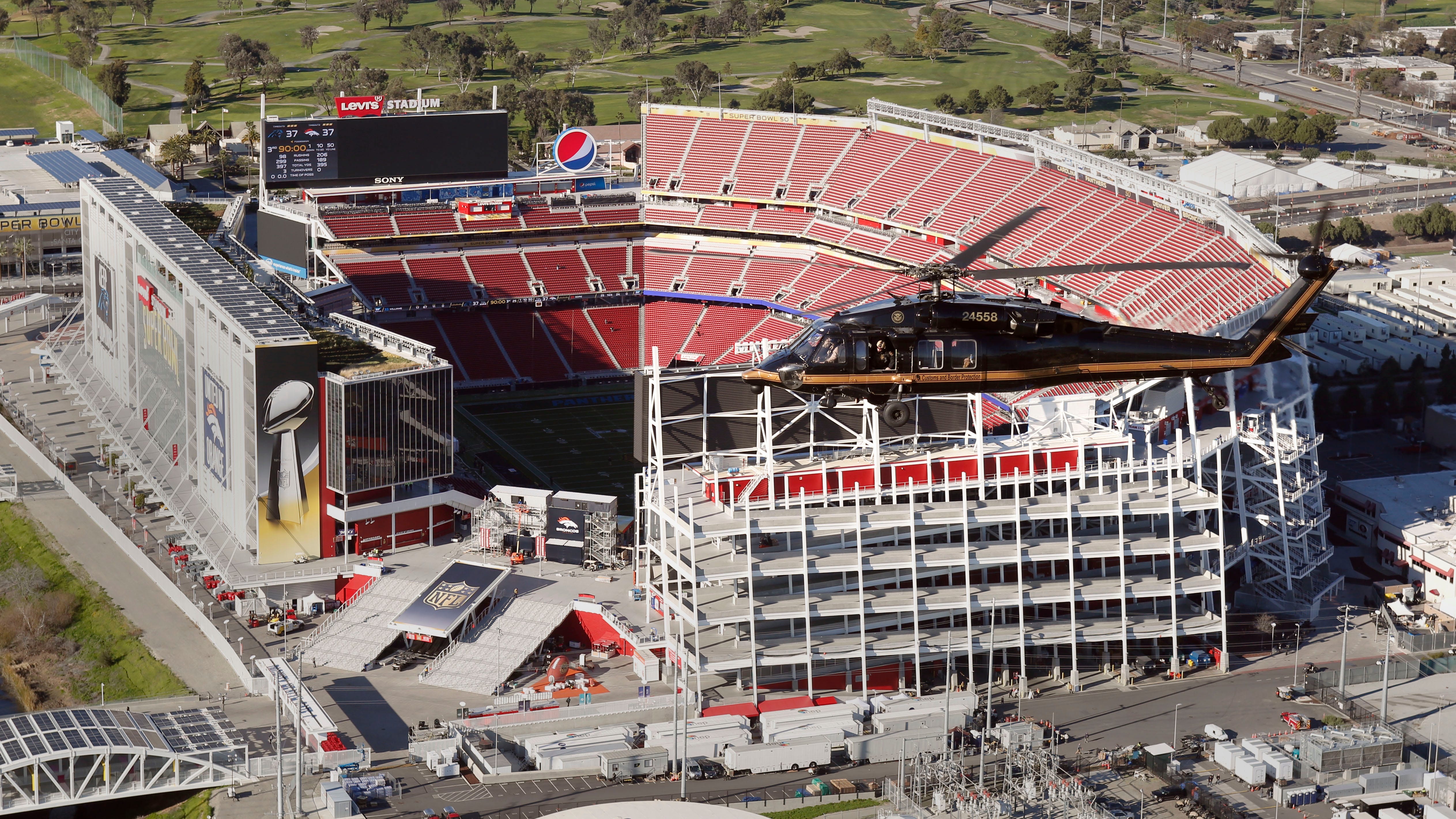
A certain segment of the U.S. has their Hanes in a honker over the NFL inviting Bad Bunny to headline its Apple Music Super Bowl LX Halftime Show.
Bad Bunny is a Puerto Rican rapper, singer, song writer and record producer whose hits are mostly Spanish-language songs in the Reggaeton and Latin Trap genres. On the scene since 2016, he’s already become the top-grossing Latin artist of all time, according to Billboard Boxscore. He also just became the first Latin artist to win the Grammy’s Album of the Year award.
Those folks upset about his pending performance, however, argue that such a solemn event worthy of only our finest Buffalo wings and queso deserves a more popular performer, someone who appeals to all Americans.
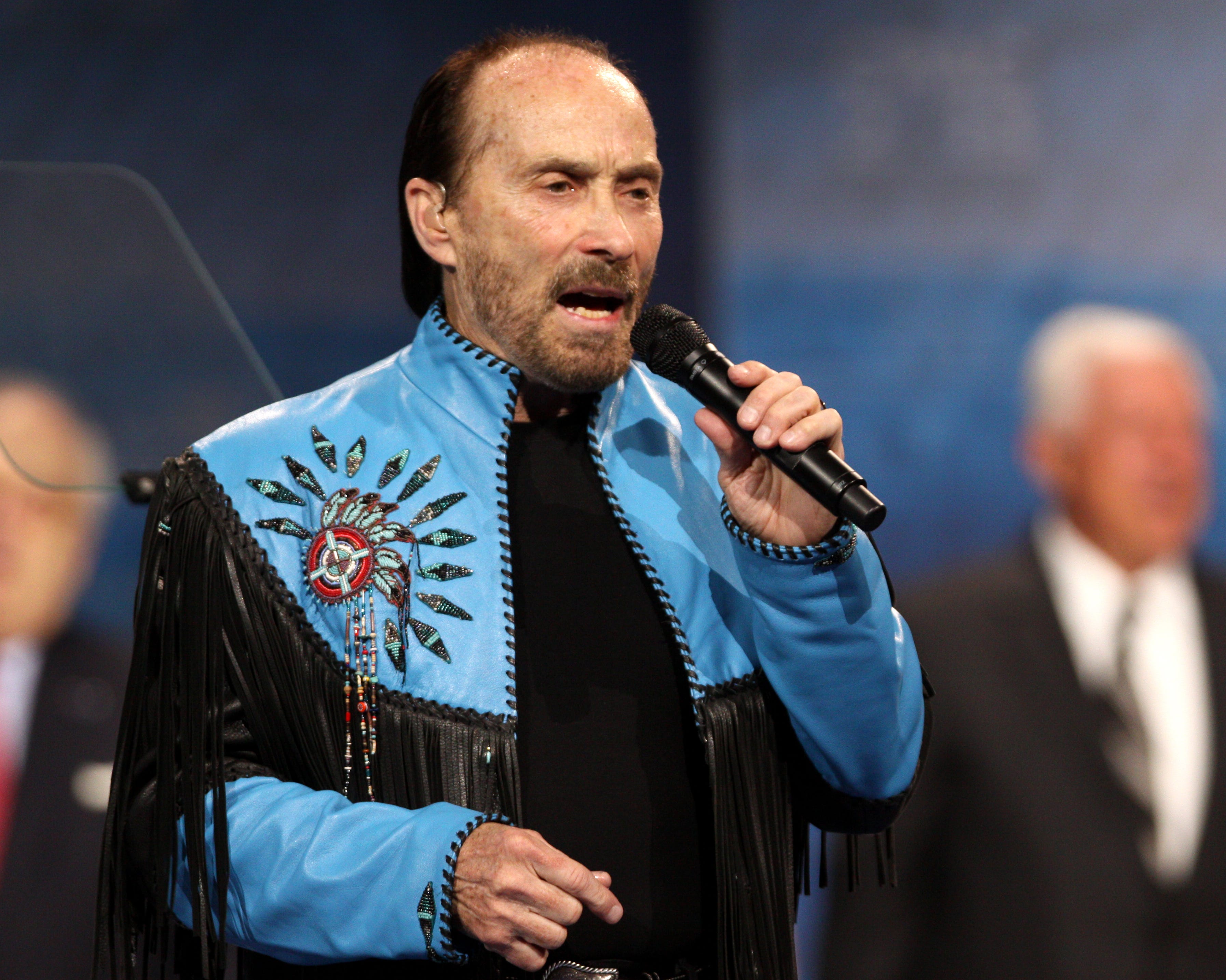
One segment—including U.S. Houst Speaker Mike Johnson—suggests Lee Greenwood is a more broadly appealing choice. Between 1983 and 1986, Greenwood had seven #1 Country hits—but unlike his contemporaries Ronnie Milsap, Randy Travis, Eddie Rabbitt, Juice Newton, Alabama, the Oak Ridge Boys, The Judds, Reba, Kenny, or Dolly, Greenwood never had a Top 40 Pop crossover hit.
These days, “God Bless The U.S.A.,” his #7 Country hit from 1984, is the only reason Greenwood performs anywhere.
I’m not here to discuss the merits of that song: Mr. Greenwood’s sentiments about our nation are as valid as those of Kate Smith, Woody Guthre, Ray Charles, Steve Miller, Neil Diamond, Bruce Springsteen, Waylon Jennings, James Brown, Miley Cyrus, or Childish Gambino.
I’m also not here to qualitatively discuss Bad Bunny’s cultural impact. He’s particularly tuned in to the complicated feelings of many Puerto Rican Americans who have moved from the island to the mainland out of economic necessity, as NPR spotlighted
What I am here to quantitatively assess is how consumption of Bad Bunny’s music compares to other contemporary hitmakers.
Is he, as some pundits suggest, a niche artist with limited appeal? Or is he among the most popular artists of our time?
Here are five statistics that answer this question definitively.
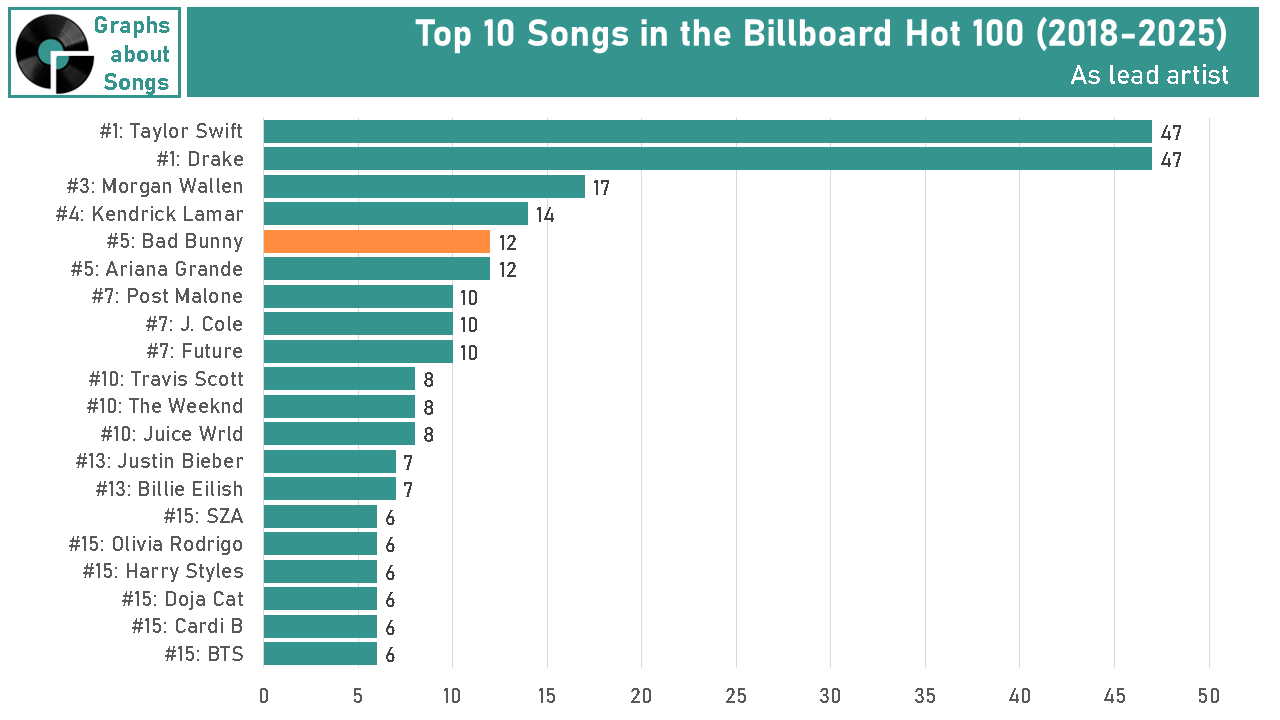
#1: Bad Bunny has 12 Top 10 hits on the Billboard Hot 100.
Since first reaching the Top 10 of the Billboard Hot 100 in 2018, Bad Bunny has had 12 songs reach the Top 10 as lead artist, plus three other Top 10s as a featured artist.
His biggest hits are 2022’s “Me Porto Bonito,” which only peaked at #6 but stayed in the Top 10 for 13 weeks, and 2025’s #2 hit “DTMF,” in which Bad Bunny laments not taking more pictures of his friends and the beautiful scenery of Puerto Rico when he was younger. It was a #1 hit in 20 countries and has become an anthem among the Puerto Rican diaspora. As featured artist, Bad Bunny reached #1 on Cardi B’s “I like it” in 2018.
Those 12 Top 10 hits are more than Pop superstars such as The Weeknd, Justin Bieber, Billie Eilish, Olivia Rodrigo, Cardi B, BTS, Sabrina Carpenter, and Chappell Roan. That’s also more Top 10 songs than every Country artist who isn’t Morgan Wallen.
Only four artists—Drake Taylor Swift, Morgan Wallen, and Kendrick Lamar—have more Top 10 hits since 2018.
The most comparable artist by this metric is Ariana Grande, who has also had 12 Top 10 hits.
Granted, Bad Bunny’s hits do not tend to stay in the Top 10 for as long as some artists. Cumulatively, Bad Bunny has spent 33 weeks in the Hot 100’s Top 10 as lead artist. That pales compared to Drake, Post Malone, and Taylor Swift, but it’s still more weeks than Justin Bieber, Luke Combs, Chappell Roan, Beyoncé, or Adele have spent in the Top 10 from 2018 through today.
By the weeks in the Top 10 measure, Bad Bunny is comparable to Juice Wrld, BTS, Dua Lipa, and current Top 10 squatter Alex Warren.
Don’t let Bad Bunny’s short time amongst the Top 10 mislead you about the long-term appeal of his hits…
#2: 16 different Bad Bunny songs have been among Billboard’s Hot 100 songs of the year
That’s more songs of the year than all other Spanish-language artists combined, including Peso Pluma with three and Daddy Yankee, Luis Fonsi, and Grupo Frontera with two apiece.
More impressive, however, is that Bad Bunny is #5 among all artists for the most songs on Billboard’s year-end Hot 100 chart from 2017 to 2025 That’s more songs than Doja Cat, Ariana Grande, Billie Eilish, and yes—even Taylor Swift.
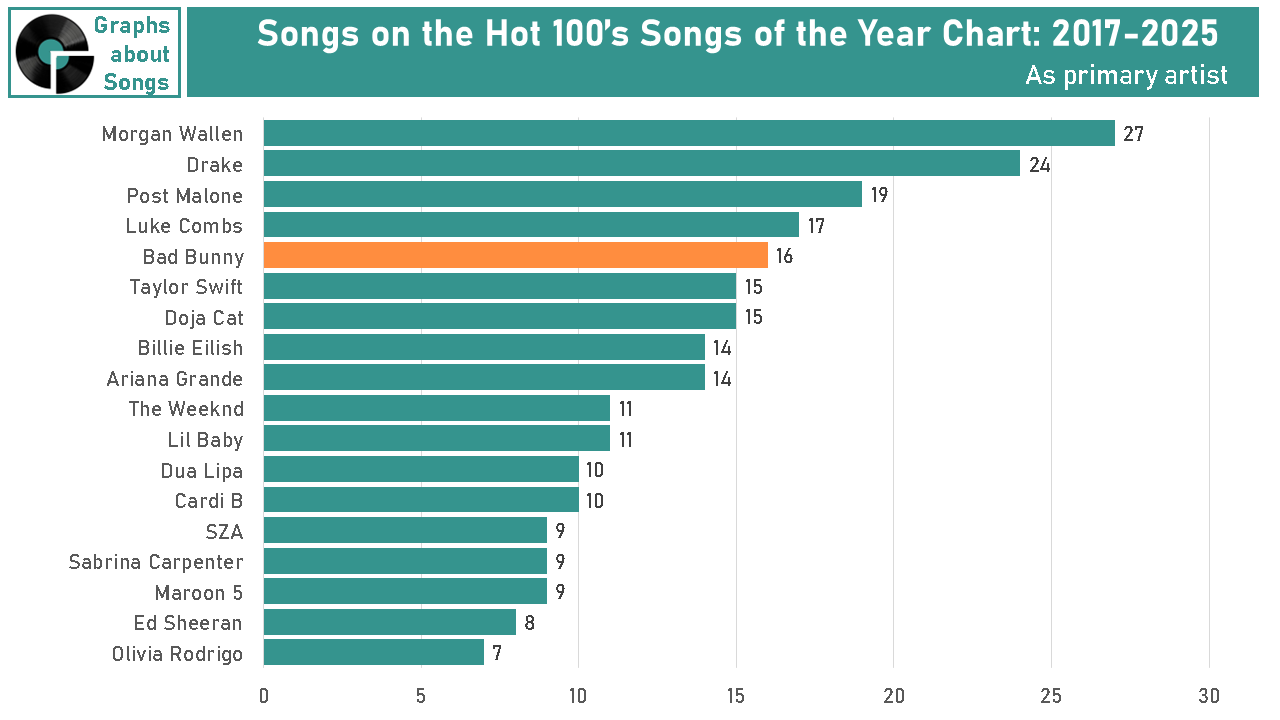
Only Morgan Wallen, Drake, Post Malone, and Luke Combs have had more titles on the Hot 100 Year-End Songs Chart during Bad Bunny’s career.
It’s 21 songs on the year-end Hot 100 charts if you also include songs featuring Bad Bunny.
#3 Bad Bunny is the 6th most streamed artist on Spotify in the U.S.
As a Reggaeton artist, Bad Bunny’s biggest fans are streaming-first music consumers. Examining the Spotify 200 chart from 2019 through today truly shows how big of a deal he is. Including both songs where Bad Bunny is the lead or featured artist, Spotify users in the U.S. alone have played his songs about 4.5 billion times.
Only Taylor Swift, Morgan Wallen, Drake, Post Malone, and Billie Eilish have more total Spotify 200 streams than Bad Bunny has.
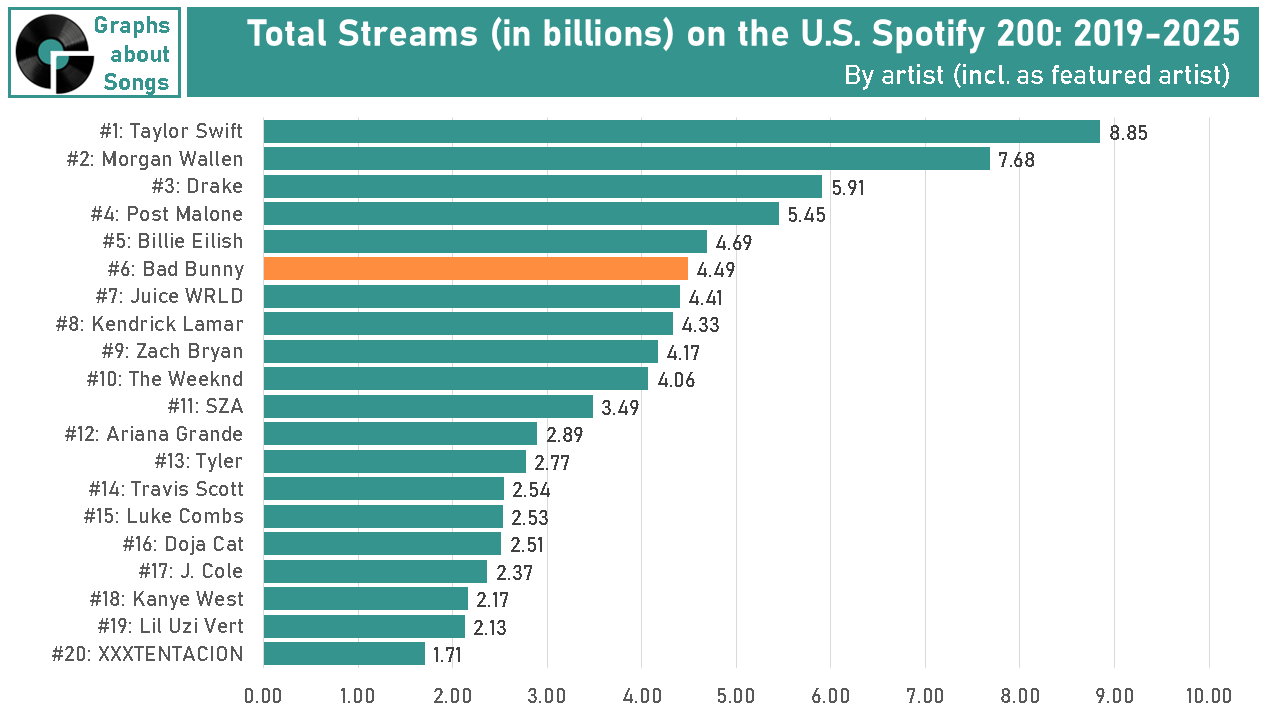
Bad Bunny has more total plays on Spotify than does Kendrick Lamar, Zach Bryan, The Weeknd, Sabrina Carpenter, Olivia Rodrigo, Ariana Grande, Tyler, The Creator, Luke Combs, Chappell Roan, or Tate McRae.
Unlike the Billboard Top 10, Bad Bunny’s hits stay big hits for a long time on streaming…
#4. Bad Bunny’s songs have spent over 26 years on the Spotify 200.
That’s #6 for most cumulative weeks on the Spotify 200 from 2019 through today. Only Morgan Wallen, Taylor Swift, Juice WRLD, Drake, and Post Malone have more weeks during that timeframe.
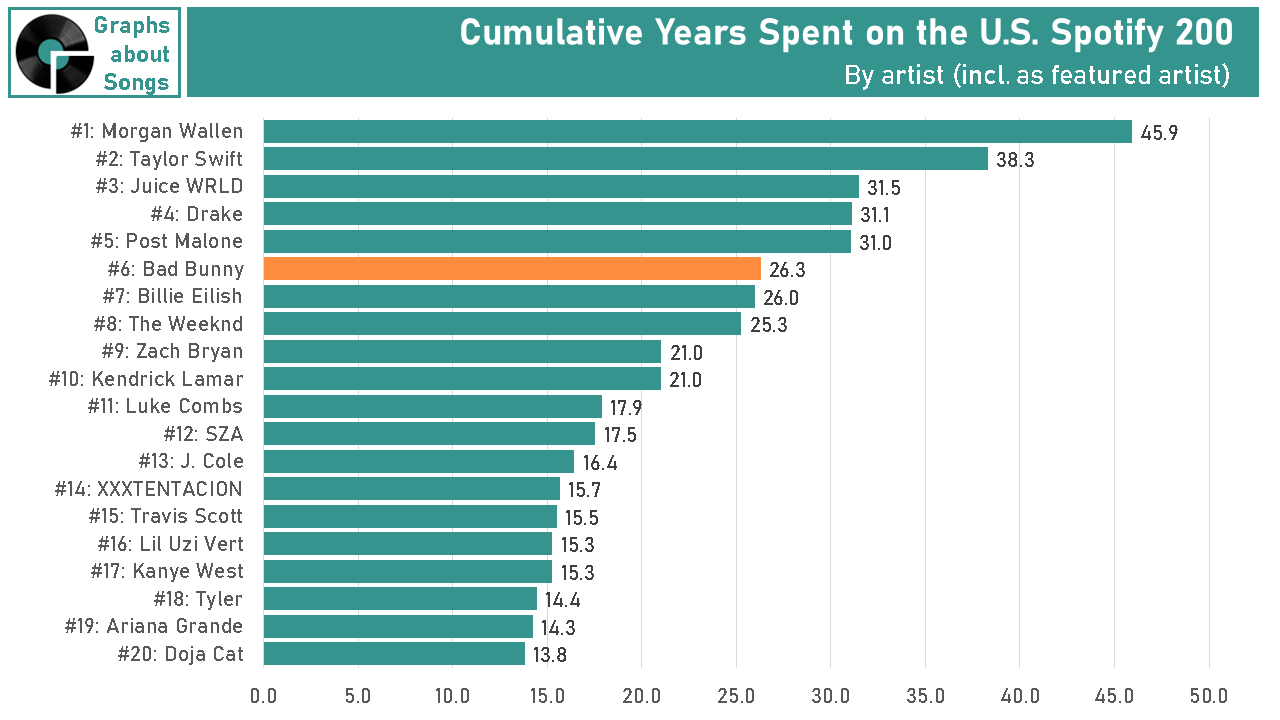
Once again, Bad Bunny’s consumption outpaces widely appealing Pop, Hip Hop, and Country stars including The Weeknd, Zach Bryan, Kendrick Lamar, Luke Combs, Tyler, The Creator, Ariana Grande, Olivia Rodrigo, and Sabrina Carpenter.
There’s one chart statistic that puts Bad Bunny among a very small group of artists with the most massive and passionate fan bases…
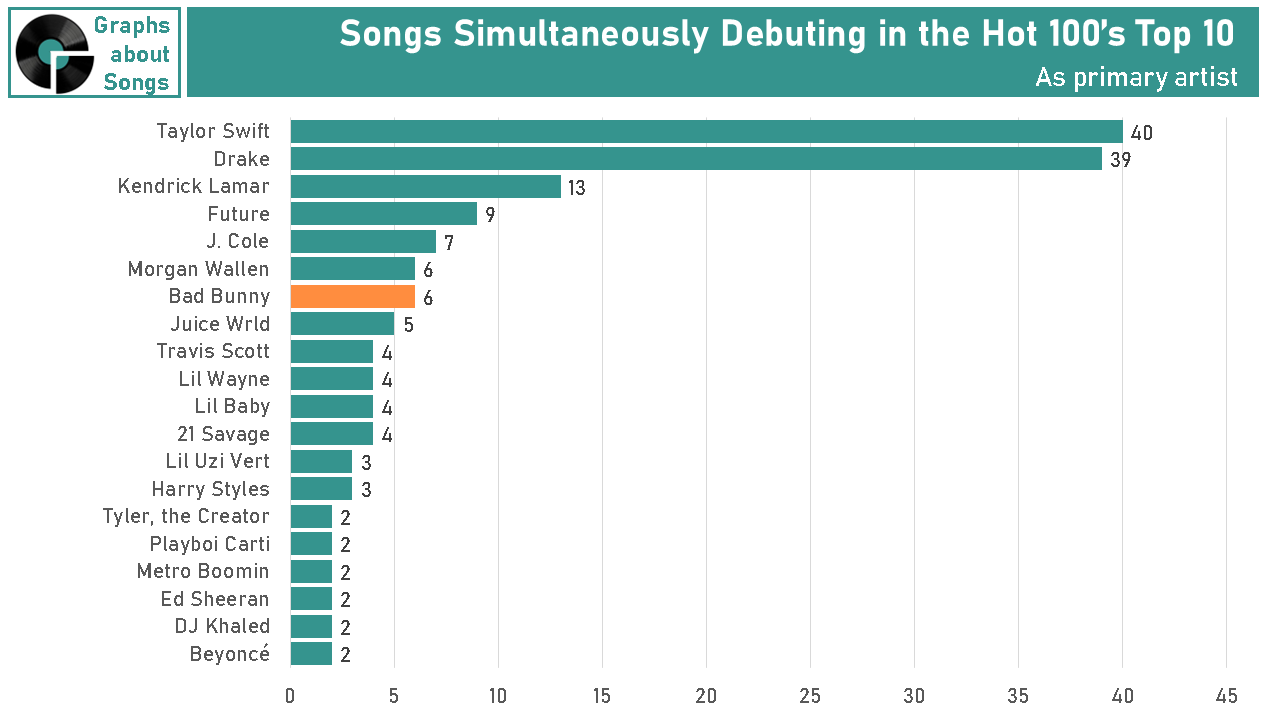
#5 Bad Bunny is one of only 20 artists to ever simultaneously debut multiple tracks in the Hot 100’s Top 10.
That’s a phenomenon I spotlighted in my last article. It’s only happened during the streaming era and only happens for super star artists with massive, passionate fan bases who eagerly await the artist’s new releases.
In both 2022 and 2025, Bad Bunny released a new album that debuted three separate tracks simultaneously into the Hot 100’s Top 10. That accomplishment puts Bad Bunny in an elite group with Drake, Taylor Swift, Travis Scott, and Harry Styles.
So yeah… Bad Bunny is statistically one of the most popular contemporary artists of our time. Based on the size of his fan base and consumption of this music, the only artists categorically more deserving of his stage at Levi’s Stadium would be Morgan Wallen, Drake, or Taylor Swift.
Surely, no American would be unhappy to see these artists at halftime, right?
We’ll track if his halftime show performance further boosts his music’s consumption even further into the stratosphere, as it did last year for Kendrick Lamar, here at Graphs About Songs.
If you’re of a certain age…. Does controversy erupting around a Puerto-Rican American performing at a championship sporting event sound vaguely familiar? That’s because this exact same thing already happened…
The [Other] One with a Puerto-Rican Singer at a Sports Championship
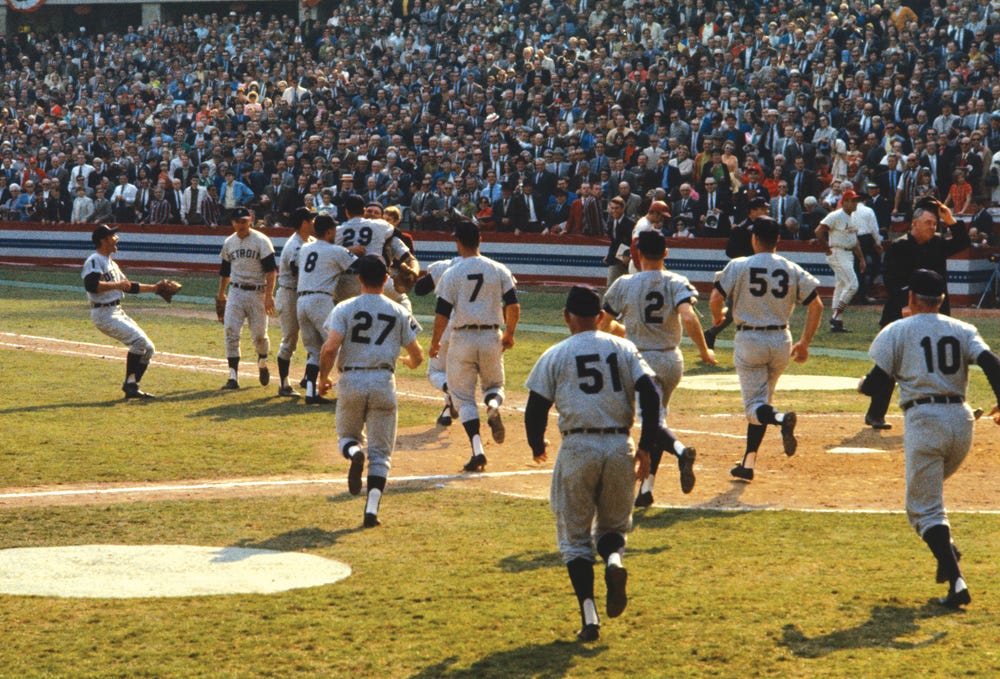
The Detroit Tigers were in the 65th edition of the World Series facing the St. Louis Cardinals. For some reason, the Tigers employee charged with picking popular singers to perform the national anthem was play-by-play icon Ernie Harwell.
For the first home game, Harwell recruited Detroit native Margaret Whiting, a popular standards crooner who hadn’t had a Top 10 hit since “A Bushel and A Peck“ in 1950.
For the second, he invited Motown’s Marvin Gaye, who was two months away from “I Heard I Through The Grape Vine,” becoming instantly iconic.
For the last home game, Harwell selected a 22-year-old singer from Puerto Rico who grew up in New York and was especially in vogue with those young adults of the Greenwich Village set we’d now refer to as hipsters:
José Feliciano had not yet recorded “Feliz Navidad,” the 1970 Christmas chestnut for which he’s renowned today. At the time, José’s hot hit was his sultry, acoustic remake of the Doors’ “Light My Fire.” It reached #3 on the Hot 100 earlier that year.
Due in part to what was about to go down in Detroit, that hit would remain his only contemporary Top 10 hit of his career*.
On October 7th, 1968, before the first pitch of a must-win game five for the home team, Feliciano performed the Star-Spangled banner in his signature sultry singing style, while playing his acoustic guitar. With Americans fiercely divided about the Viet Nam war, civil rights, and changing cultural mores, José hoped a heartfelt interpretation of our nation’s official song might bring us all a little bit closer together.
“I wanted to show patriotism because, here I was, a poor kid from Puerto Rico, and I thought to myself, only in America could this happen.”
Before continuing, I suggest you take a minute and forty seconds to hear Feliciano tendering “The Star-Spangled Banner.”
The Tigers beat St. Louis to ultimately win the series. Staying alive for game six was not, however, the talk of the town.
It was how José Feliciano desecrated our national song.
Somehow, changing a note here and there for artistic purposes meant Feliciano was anti-American.
“He clearly opposes the Viet-Nam war!”
“He hates our soldiers.”
He must be a communist.”
War veterans reportedly threw their shoes at the TV. People called Tigers Stadium to complain. People called NBC Television to complain. Radio stations pulled his songs.
That night on the news, the National Anthem took up more time than the game…
When learning whose idea it was, some demanded the Tigers fire Ernie Harwell**. (For the non-baseball fans, that’s like Tennessee disowning Dolly Parton.)
Some even demanded the government deport Feliciano.
(As a reminder, 1) Puerto Rico is a U.S. territory. 2) People born in Puerto Rico are U.S. citizens. 3) You cannot deport a U.S. citizen from one state or territory to another. If there were such a legal framework, North Carolina would have long ago deported transplants who criticized our barbecue back to New York.)
Not everybody reacted negatively.
His album Feliciano! continued selling well for months. His Spanish-language albums sold well for decades. Plus, enough Americans bought a copy of his rendition to make José Feliciano’s “The Star-Spangled Banner” reach #50 on the Hot 100. `
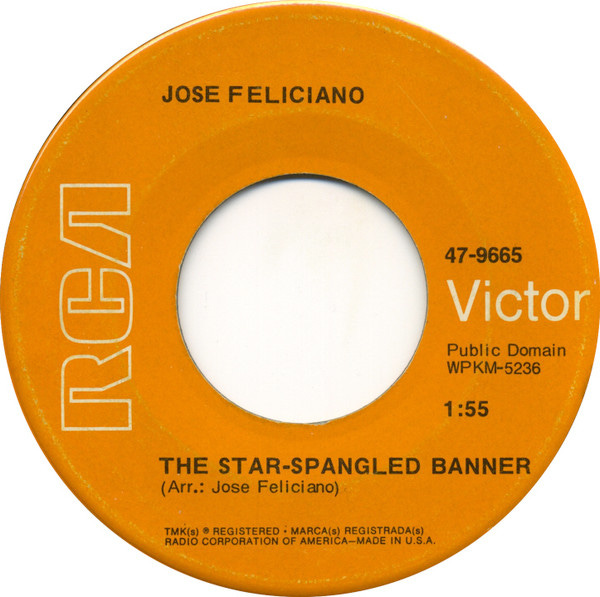
With radio stations dropping his music, however, Felician’s follow up single, a remake of the 1963 Blues standard ““Hi-Heel Sneakers,” stalled at #25. (It reached #9 in Canada.)
In defense of 1968 America, it wasn’t yet common practice for artists to interpret The Star-Spangled Banner. Back then, we expected singers to sing it straight, note for note, just as it was when Francis Scott Key stole the melody from an old British drinking song.
Without Feliciano’s 1968 performance breaking that convention, we would never have Whitney Houston’s 1991 rendition at Super Bowl XXV during the Persian Gulf War, arguably the most beloved rendition of our national anthem of all time.***
On May 10th, 2010, the Tigers invited José Feliciano back to Detroit to perform our national anthem in tribute to Ernie Harwell. The legendary sportscaster who invited Felicano the first time had died the previous week.
He performed it note for note as he did at game five 42 years earlier—this time to universal applause.
But back in ‘68, instead of just deciding it wasn’t their cup of tea, a significant portion of Americans took an artistic decision as confirmation that the artist himself was everything and everyone they personally hated and feared.
Surely, we’d never do anything that ridiculous today.
(By the way, it is possible for a native English-speaking white person to face criticism for disrespecting the national anthem, but it’s a much higher bar:)
Additional notes:
* Feliz Navidad became a perennial holiday chart staple that first returned Feliciano to the Hot 100’s Top 40 in 2018. It’s gotten as high as #5, giving Felicio another Top 10 hit. That means “Light My Fire” is still his highest-charting song.
** Ernie Harwell is the only announcer in MLB history traded for a player. The Brooklyn Dodgers needed a replacement for the equally iconic but ailing Red Barber in 1948, they got Harwell from the minor league Atlanta Crackers, whose game calling they’d heard in New York thanks to WSB Atlanta’s 50,000-Watt signal, in exchange for minor league catcher Cliff Dapper. Dapper retired and grew avocados. Harwell became a 42-year Detroit icon.
*** Whitney Houston created a studio recording of The Star Spangled Banner and released it as a single—the only version ever to be a Top 40 hit, reaching #20 in 1991 and #6 in 2001.
Further Listening:
NPR.org, “What Bad Bunny means to Puerto Ricans” December 31, 2025: https://www.npr.org/2025/12/31/nx-s1-5660683/what-bad-bunny-means-to-puerto-ricans
WBUR Boston, “The 1968 National Anthem Performance That Changed José Feliciano’s Life” Roger Weber, April 12, 2019: ttps://www.wbur.org/onlyagame/2019/04/12/jose-feliciano-susan-tigers-world-series
Data Sources for this Post:
The Billboard Hot 100: https://www.billboard.com/charts/hot-100
Wikipedia’s Billboard Hot 100 Top 10 singles: https://en.wikipedia.org/wiki/List_of_Billboard_Hot_100_top-ten_singles
Billboard’s 2025 year-end charts: Hot 100 Songs: https://www.billboard.com/charts/year-end/2025/hot-100-songs/
Spotify Charts (2019-2025 for the USA): https://charts.spotify.com/charts/overview/us
Thanks for this. Opposition to this man is based only on xenophobia and, arguably, racism. Anyone who does not want to watch the halftime show does not need to. Citizens of Puerto Rico ARE Americans, and songs not recorded in English CAN and HAVE been hits. In one cataclysmic lapse of judgment likely plied by alcohol, Morgan Wallen forever disqualified himself from playing on the Super Bowl stage no matter HOW many hits he winds up with.
How much air play is BB receiving (now or in the past) on US CHR ?