


“2026’ is the new 2016.”
t’s been one of the hottest social media trends this year. All over Tik Tok, Instagram, and Facebook, people are sharing what their lives were like 10 years ago. They’re bringing back fashions, augmented with bright colorful Instagram filters popular at the time. They’re reliving viral trends of the time, such as the Mannequin Challenge.
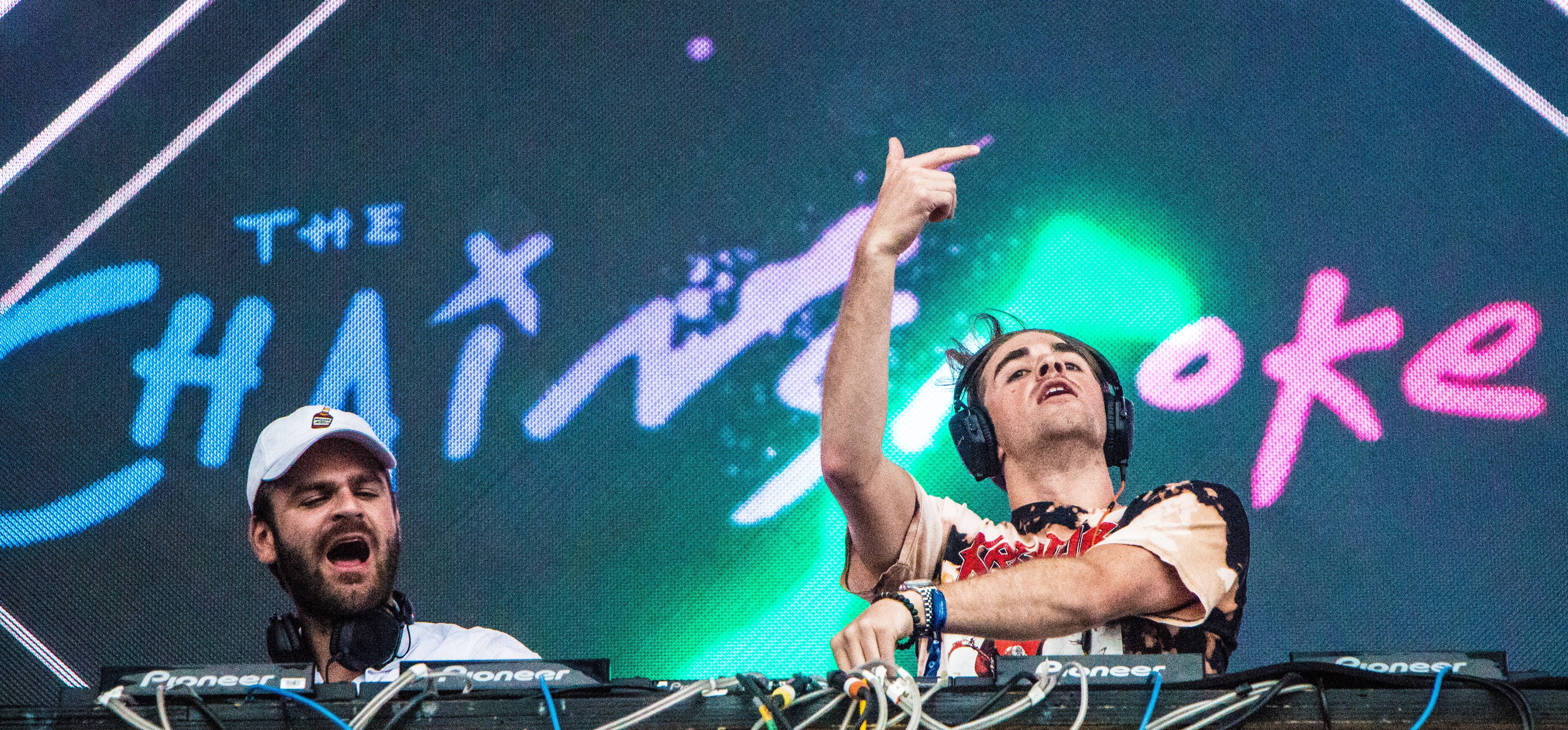
And of course, they’re bringing back the music of 2016. Popular songs by Drake, The Chainsmokers, Fetty Wap, and The Weeknd are a major part of the Tik Tok 2016 soundtrack.
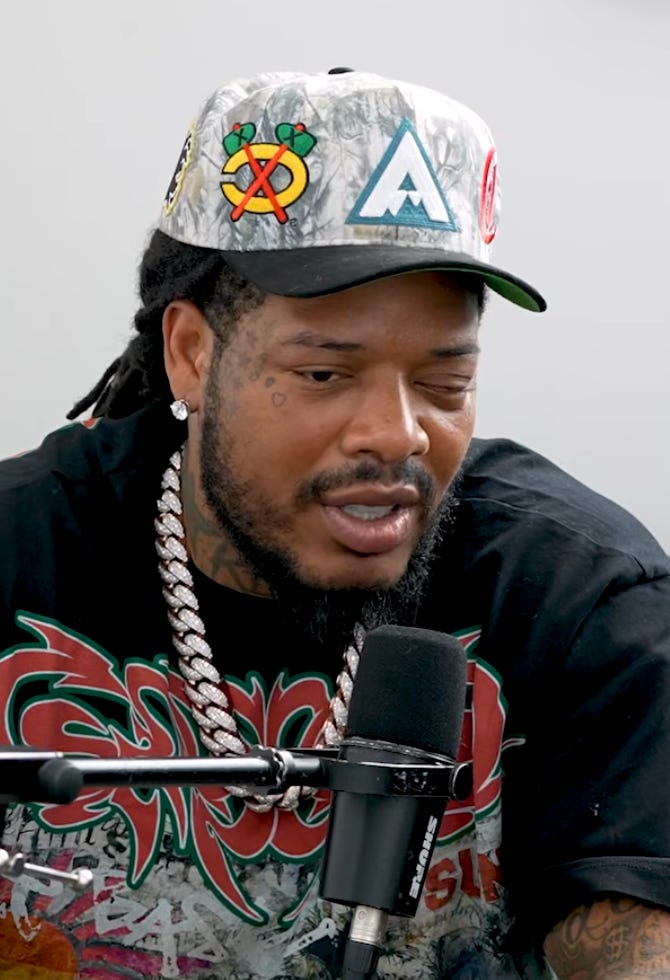
Lest you think this trend was inconsequential or short lived, consider the graph below: It examines the total number of weekly plays on Spotify in the U.S. for nine of the biggest songs of the #BringBack2016 trend, including “Closer” from The Chainsmokers & Halsey, The Weeknd and Daft Punk’s “Starboy” and Fetty Wap’s Trap Queen (from 2015):
As soon as the trend started the first week of 2026, plays for these nine songs almost doubled.
By the time the 2016 trend was in full swing, these songs’ weekly streaming had more than quadrupled.
Even three months later, 2016 songs were still garnering more than double the plays they were getting in late 2015.
The Typical 20-Year Nostalgia Cycle
Nostalgia is a virus every generation eventually catches.
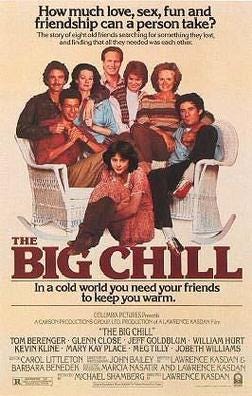
Boomers fully dove into remembrances of their 1960s youth in 1983 when The Big Chill hit theaters. The film about seven college friends gathering for a funeral, had a soundtrack featuring Motown classics including “I Heard It Through the Grapevine,” “My Girl,” :The Tracks of My Tears”, Pop classics such as The Rascals’ “Good Lovin’” and “Joy to the World” by Three Dog Night, and the psychedelic anthem “A Whiter Shade of Pale.” From Procol Harum. By the end of the 1980s, every city in America had a Good Times and Great Oldies station with Big Chill songs in heaviest rotation.

Generation X isn’t immune to nostalgia, but we’re compelled to be ironic about it. During the mid-2000s, a new radio format erupted across Canada and then the U.S.: Jack-FM proclaimed it was “playing what we want,” but in reality, it was an 80’s focused Oldies station in disguise. It was playing what Gen X wants---music from their newly discovered youth nostalgia.
Both the Boomer Big Chill and Gen X Jack FM nostalgia occurred right around the time the heart of the respective generations reached age 35.
Millennials have now reached that magic age, too.
The 2K Throwbacks trend brings back Usher, Britney Spears, Nelly, 50 Cent, Linkin Park, Avril Lavigne, and Beyoncé for that first wave of Millennials now ready to relive their early 2000s youth.

These predictable nostalgia cycles lo back about 20 years.
In contrast, #BringBack2016 is looking back only ten years. And its people in their early and mid-twenties embracing their pasts, not folks in their 30s.
Why are these oldest members of Generation Z going retro ten years ahead of schedule?
To learn why, let’s go back 54 years to the last time America saw this trend:
“Where were You in ‘62?”
That’s the tagline of the 1973 blockbuster American Graffiti. The film rode a wave of longing for the late 1950s and early 1960s featuring the first wave of Rock ‘n’ Roll. “Rock Around The Clock” by Bill Haley and the Comets, 16 Candles” by the Crests, and The Beach Boys’ “Surfin’ Safari,” were among the Golden Oldies from the time before The Beatles soundtracking the film about teenagers enjoying one last night of cruising and drive-in freedom before adulthood’s pall inevitably hit.
The movie was an allegory for how America itself was about to change.
1962 was the last year before President Kennedy’s assassination, the Beatles usurping Elvis, Dr. King’s “I Have A Dream” speech and the 16th Street Baptist Church bombing in Birmingham bringing Civil Rights to the forefront.
As the real sixties progressed:
The sexual revolution overturned mores.
U.S. involvement in Vietnam—and opposition to that involvement—escalated rapidly.
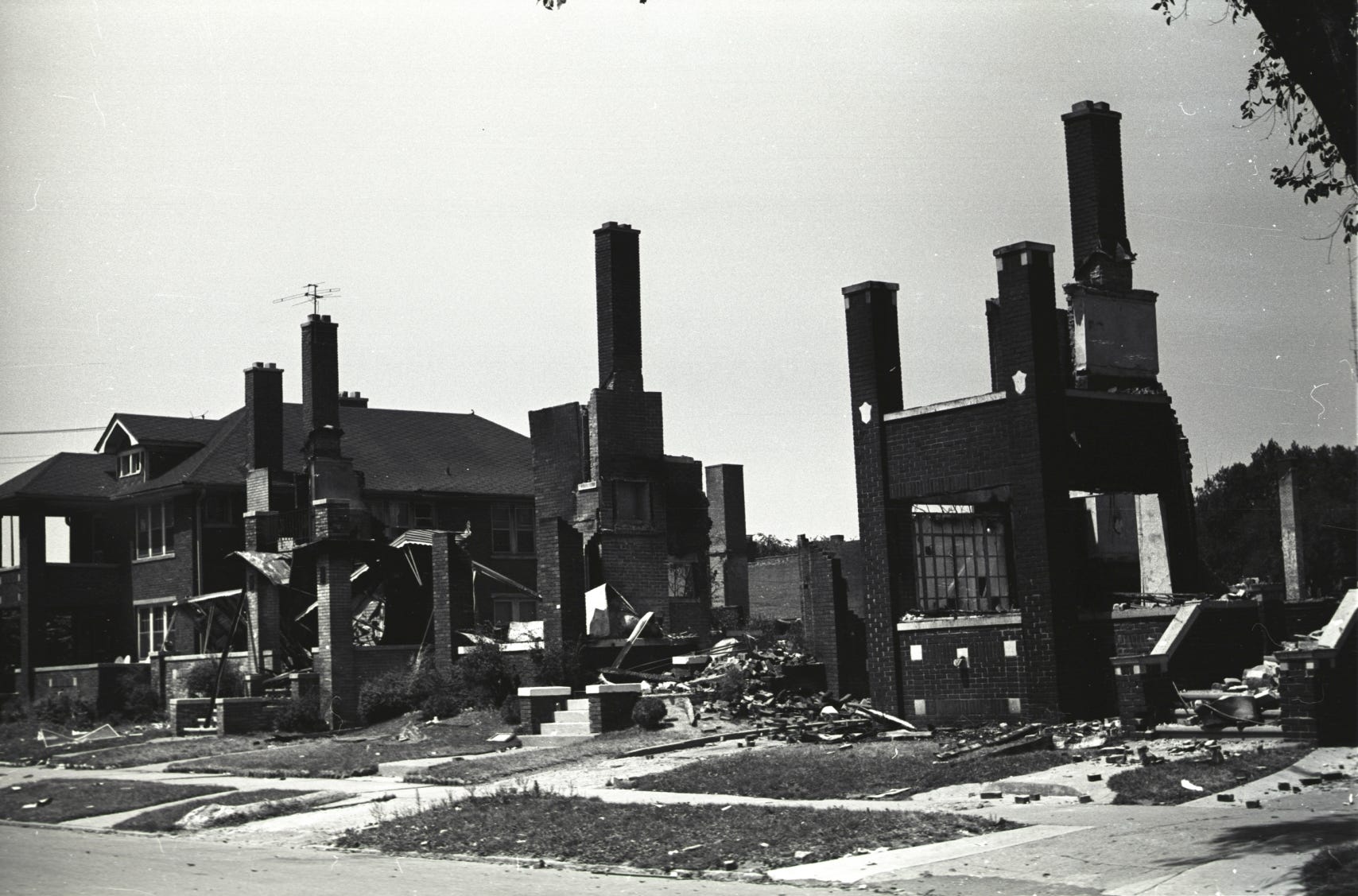
Deadly riots erupted in Watts, Detroit, and Newark over the living conditions of our inner-city Black citizens.
Dr. King was murdered.
Presidential candidate Robert F. Kennedy was murdered.
Our own national guard murdered four young people at Kent State in Ohio.
Finally, right after American Graffiti became a surprise blockbuster, the 1973 oil crisis and newfound concerns about safety killed America’s muscle cars.
No 10-year-period of the 20th century changed America’s culture more than the 1960s. However, living through rapid change—even overdue and positive changes—is exhausting.
Don McClean oblique recap of the era began with…
A long, long time ago, I can still remember how that music used to make me smile. And I knew if I had my chance, that I could make those people dance and maybe they’d be happy for a while.
The thing is, it wasn’t “a long, long time ago.” As Don McClean wrote the song, that moment before “the day the music died” was barely a decade old.
It wasn’t a short-lived fad, either.
From Happy Days on TV, Grease on Broadway, and “Crocodile Rock” on the radio, the early 1970s were rich with nostalgia for a time that seemed more familiar and forgiving.
The era also saw the launch of the first radio stations in major cities dedicated to playing old pop hits. Two of the biggest are still with us playing the classics today—albeit from the 80s and 90s, not the 50s and 60s:
In the early 70s, the adults in their mid-20s longing for their teens where the Silent Generation, the folks born just before the Boomers, the ones who came of age with Elvis Presley, not The Big Chill.
Let’s now go to what some are calling the last good year ever.
#BringBack2016
On November 2nd 2016, just before midnight, the Chicago Cubs won their first World Series since 1908. It was a thrilling 10th inning victory that energized our nation.
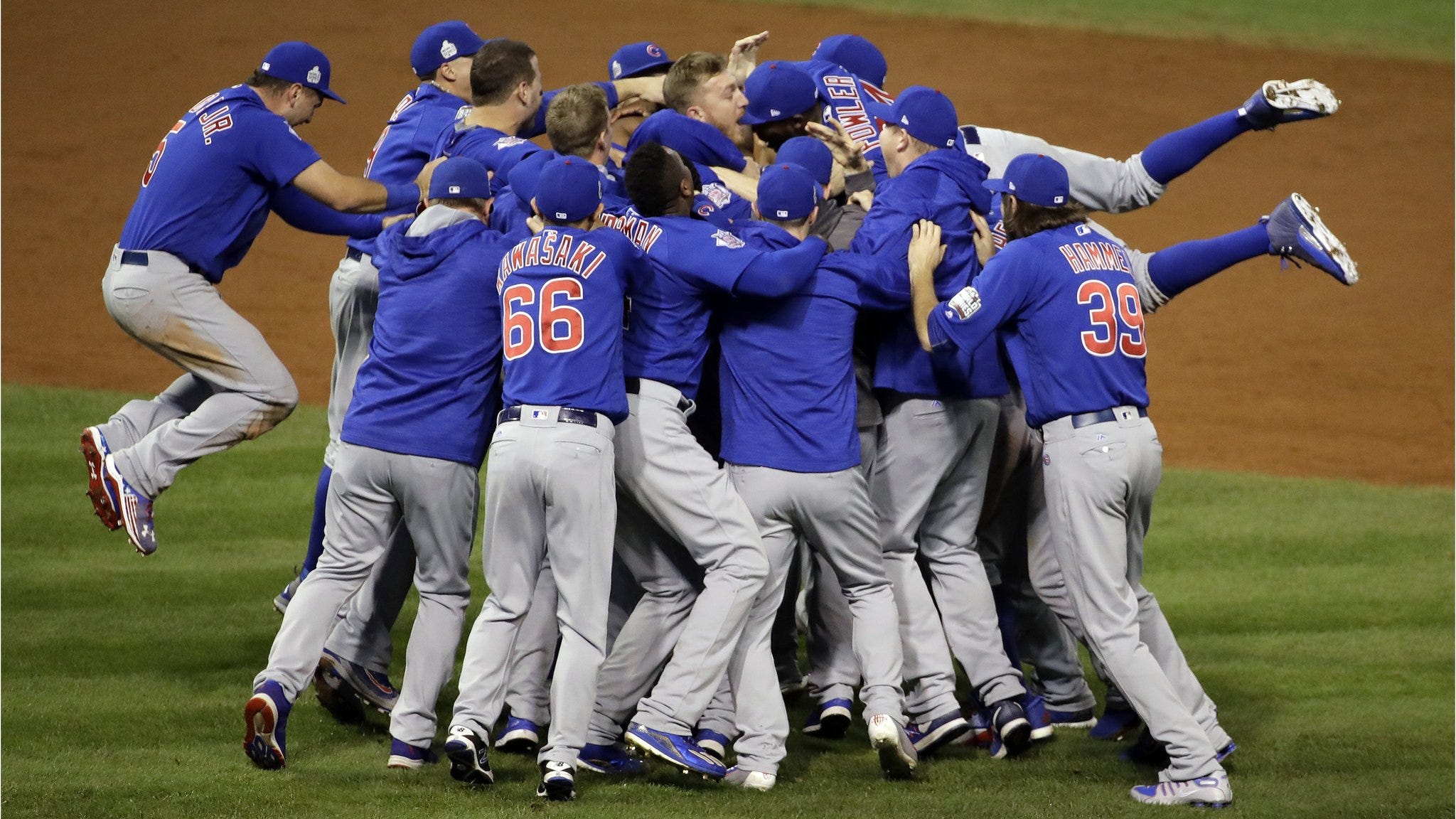
It was the last good thing to happen in America.
Six days later, defying all polling, Donald J. Trump secured an electoral college majority and became President in 2017. In the ensuing ten years, we’ve collectively experienced:
Stark political division
Fake news on social media
14 major mass shootings, including Uvalde Elementary School in Texas, the Pulse nightclub in Orlando, Parkland High School in Florida, and the deadliest mass shooting in American history at a concert in Las Vegas.
Wars and military actions in Ukraine, Gaza, Venezuela, Iran, and threats of invading Greenland. (That’s merely the ones the average American tracks.)
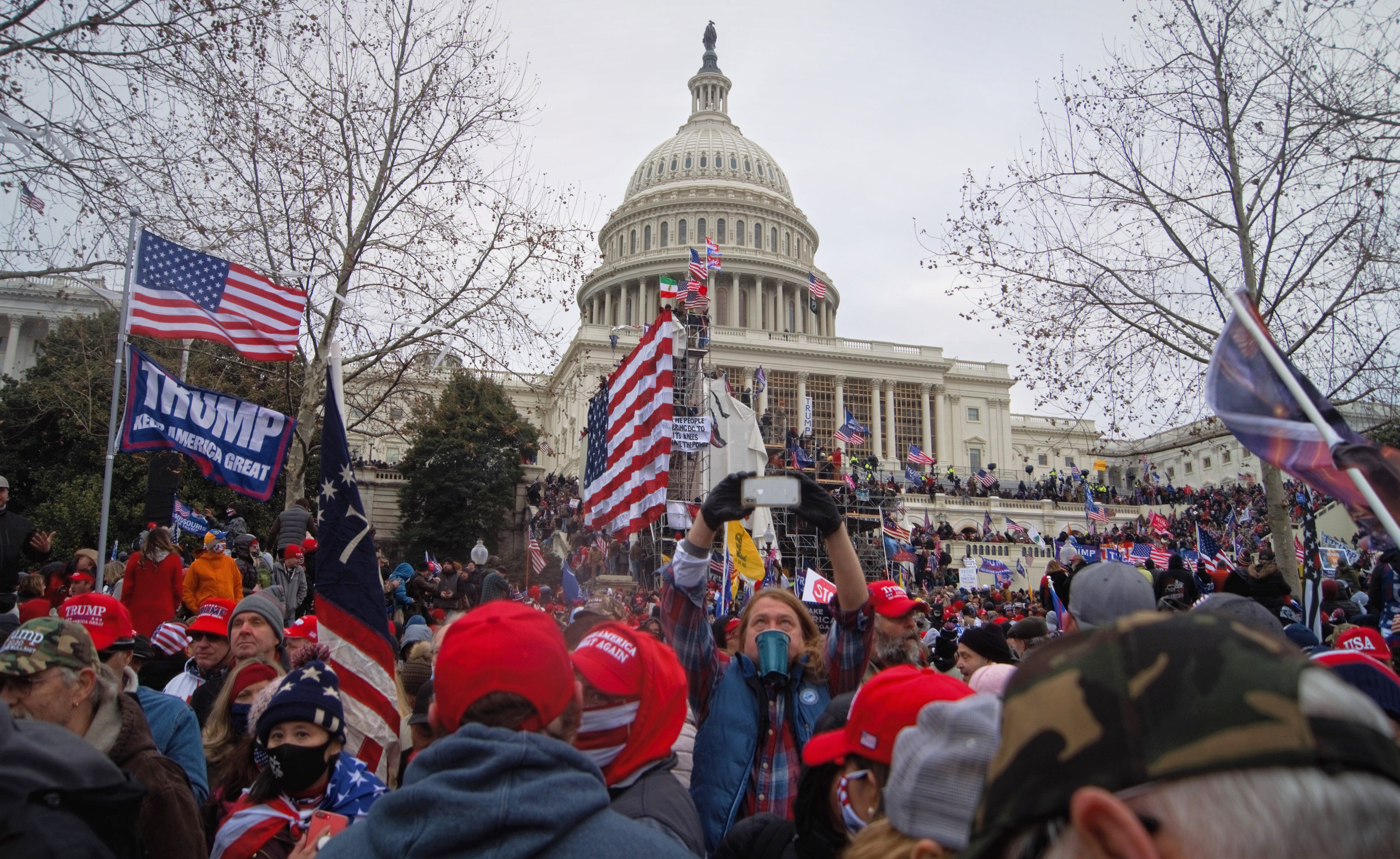
A mob attacks the U.S. Capitol.
Housing prices skyrocket, which while great news for older homeowners, has left young adults hopeless of ever owning their own home.
The onslaught of Artificial Intelligence (A.I.) and its threat to wipe out entire categories of jobs in an already shaky economy.
And of course, the pandemic. Stressful and scary for all of us—but our schoolchildren and college students lost the most from Zoom. School isn’t merely academic learning. It’s social learning. Those fun, awkward, and sometimes awful interactions help us understand how to be human.
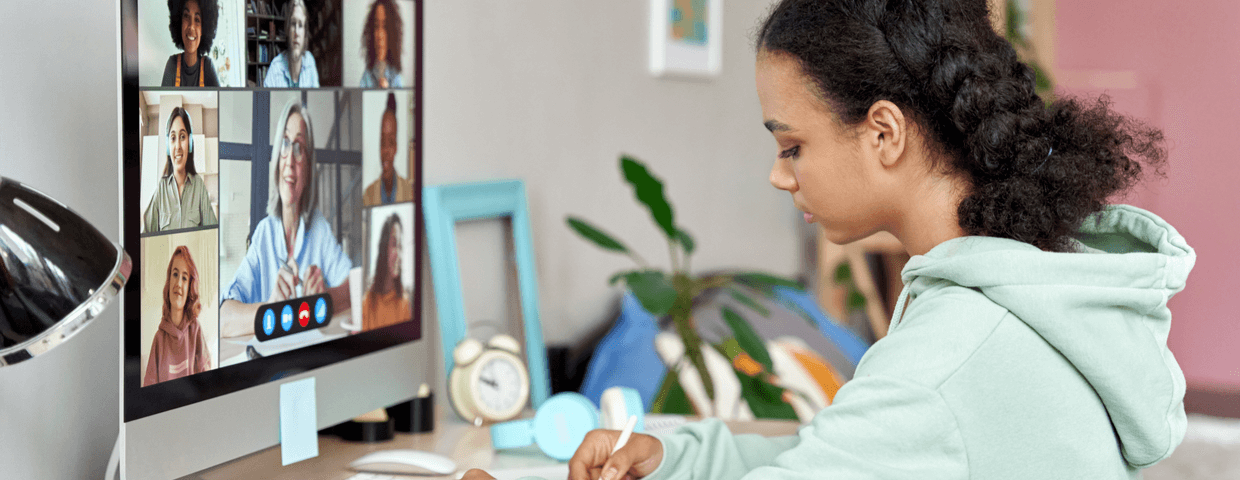
Those students robbed of that formative experience are now the young adults fueling #BringBack2016.
This is Trauma Nostalgia.
The main difference between “Where Were You in ‘62” and #BringBack2016 is that 1963-1972 brought disrupted America’s values and social expectations, while 2017-2026 has disrupted America’s institutions and global order. As historian Neal Howe (whose work on generational cohorts I cite frequently) notes, the 1960s changed our inner world. The 2020s are changing our outer world.
The question is, will it last?
If #BringBack2016 is indeed analogous to Where Were You in ’62, brace yourself for mid-2010s remanences for the remainder of the 2020s.
What will those Gen Z kids listen to next?
If you’re a fellow chart nerd: Choose the “FREE” option to get Graphs About Songs’ directly in your inbox.
If you program a CHR station: “The Hit Momentum Newsletter” analyzes the Spotify 200 to find the songs that could be huge hits on your station. It’s yours every Monday for a $22 a month subscription below.
Date source for this post:
Spotify Charts (weeks of 1/3/2019 through 3/26/2026 for the USA): https://charts.spotify.com/charts/overview/us
